What is Premenstrual Syndrome (PMS)?
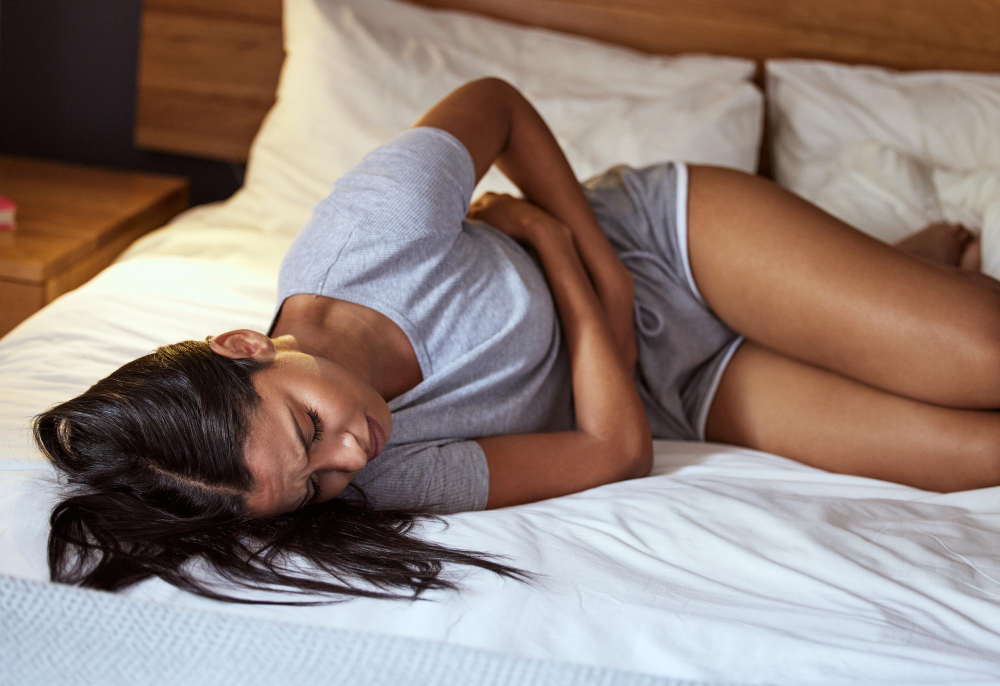
Premenstrual Syndrome symptoms affect many women before their period each month. PMS is a type of menstrual disorder. It causes both physical and emotional changes. Usually, these symptoms start one to two weeks before your period. They often go away once your period begins. According to the World Health Organization (WHO), PMS is common and can affect daily life. However, not everyone experiences PMS in the same way.
Common Symptoms of PMS
PMS symptoms can be mild or severe. Some people have only a few signs, while others have many. For example, symptoms may change from month to month. Below are the most common PMS symptoms:
Additionally, some people may feel anxious or stressed. These menstrual disorder signs can affect work, school, and relationships.
Causes and Risk Factors
Doctors are not sure what causes PMS. However, changes in hormone levels during the menstrual cycle play a big role. Some women are more likely to have PMS than others. Here are some common risk factors:
For instance, if your mother or sister has PMS, you may be more likely to have it too. The Centers for Disease Control and Prevention (CDC) notes that lifestyle choices can also affect PMS symptoms.
Diagnosis of PMS
Doctors diagnose PMS based on your symptoms and medical history. There is no single test for PMS. Instead, your doctor may ask you to track your symptoms for two or three months. This helps show if your symptoms follow a pattern. Sometimes, your doctor may do blood tests to rule out other health problems. Early diagnosis can help you find the best way to manage PMS.
Treatment and Management Options
There are many ways to find relief for premenstrual syndrome. Treatment depends on how severe your PMS symptoms are. Some common options include:
In addition, your doctor may suggest changes to your daily routine. Always talk to a healthcare provider before starting any new treatment.
Lifestyle Tips for Symptom Relief
Simple lifestyle changes can help manage PMS symptoms. For example, you can try these tips:
Moreover, staying connected with friends and family can offer support. These steps may reduce the impact of PMS on your daily life.
Prevention and When to Seek Help
While you may not be able to prevent PMS completely, healthy habits can lower your risk. For instance, regular exercise and a balanced diet help. However, if your PMS symptoms are severe or disrupt your life, it is important to seek help. You should contact a doctor if:
Early support can make a big difference. The CDC and WHO recommend talking to a healthcare provider for the best advice.
In summary, understanding PMS and its symptoms is the first step to feeling better. If you have concerns about menstrual disorder signs or need help with how to manage PMS, consult your doctor for personalized advice.