What Is Pre-eclampsia?
Pre-eclampsia is a health problem that can happen during pregnancy. It causes high blood pressure and can harm organs like the liver and kidneys. Usually, it starts after 20 weeks of pregnancy. Many women may not notice symptoms at first. However, doctors check for it during regular visits. Understanding how pre-eclampsia affects the baby is important for every expectant mother.
How Pre-eclampsia Affects the Baby
Pre-eclampsia can lower the flow of blood to the baby. As a result, the baby may not get enough oxygen or nutrients. This can slow the baby’s growth. In some cases, it can cause early birth. According to the CDC, pre-eclampsia is a leading cause of premature birth. Therefore, it is important to watch for signs and act quickly.
Risks to the Baby
Pre-eclampsia can lead to several risks for newborns. Some of the most common risks include:
Because of these risks, doctors monitor both mother and baby closely.
Symptoms in the Baby
Usually, pre-eclampsia does not cause clear symptoms in the baby before birth. However, some signs may show up during pregnancy. For example, the baby may move less than usual. Sometimes, doctors notice the baby is smaller than expected on an ultrasound. After birth, babies may have trouble breathing or feeding. Therefore, regular check-ups are very important.
How Pre-eclampsia Is Diagnosed and Monitored
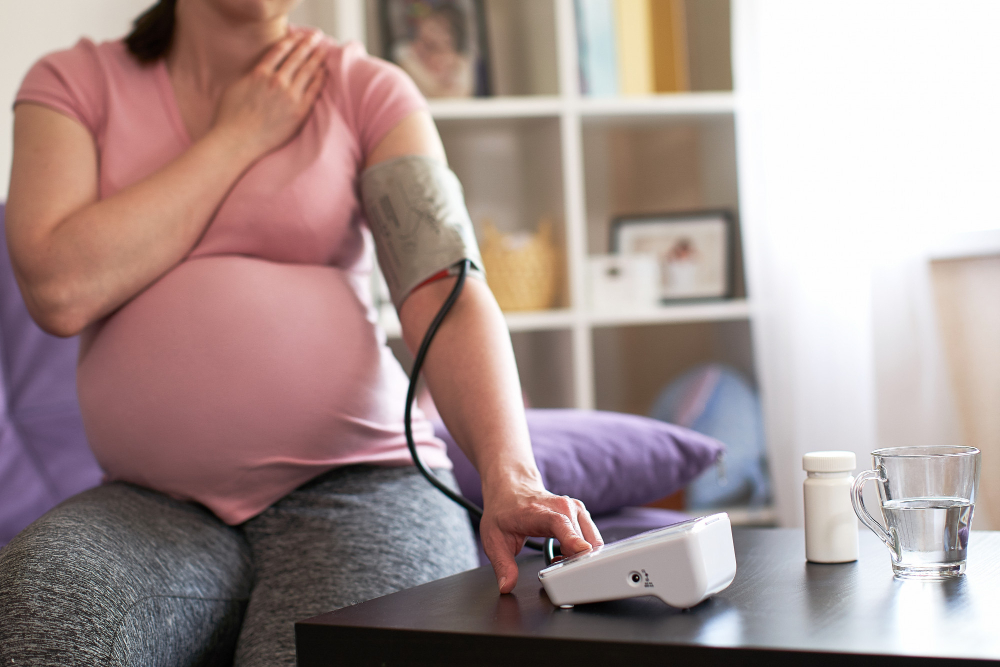
Doctors check for pre-eclampsia during prenatal visits. They measure blood pressure and test urine for protein. If pre-eclampsia is found, doctors may:
With regular monitoring, doctors can spot problems early. This helps protect both mother and baby.
Prevention and Management Strategies
While pre-eclampsia cannot always be prevented, some steps can lower the risk. For example, early and regular prenatal care helps catch problems sooner. Doctors may suggest:
In some cases, doctors may need to deliver the baby early to keep both mother and baby safe.
Lifestyle Guidance for Expectant Mothers
Healthy habits can support a safer pregnancy. Here are some tips for expectant mothers:
Because every pregnancy is unique, always follow your doctor’s advice.
Summary
In summary, pre-eclampsia can affect the baby in many ways. It may cause low birth weight, early birth, or other health problems. However, with early care and healthy habits, many risks can be managed. Regular check-ups and open talks with your doctor are key to protecting your baby from pre-eclampsia.
Consult your healthcare provider for personalized advice on pre-eclampsia and pregnancy.