
Introduction: Pregnancy and the Importance of Prenatal Care
Pregnancy is a special time for families. Good prenatal care helps keep both mother and baby healthy. Early check-ups and tests, like ultrasound in pregnancy, can spot problems early. As a result, parents can make informed choices. Regular visits also give peace of mind during this important journey.
What Is an Ultrasound? A Simple Explanation
Ultrasound is a safe test that uses sound waves to create pictures of the inside of the body. In pregnancy, it helps doctors see the baby and the womb. Although ultrasound has been used since the 1950s, it is now a common part of prenatal care. Because it does not use radiation, it is safe for both mother and baby.
How Does Ultrasound Work in Pregnancy?
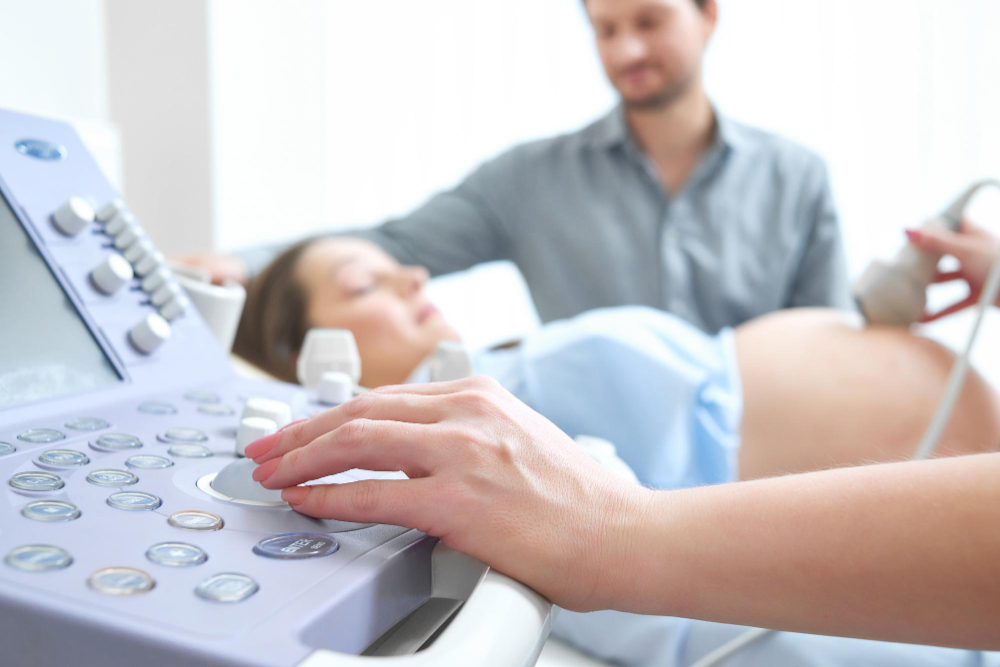
During an ultrasound in pregnancy, a small device called a probe is placed on the mother’s belly. This probe sends out sound waves, which bounce off the baby and other tissues. Then, a computer turns these echoes into pictures. These images help doctors check the baby’s growth and health. Sometimes, a special probe may be used inside the vagina for early scans.
Types of Ultrasounds Used During Pregnancy
There are several types of ultrasounds in pregnancy. Each type has a different purpose. For example:
When and Why Are Ultrasounds Performed?
Doctors recommend ultrasounds at certain times during pregnancy. Usually, the first scan happens between 6 and 9 weeks. This early scan checks the baby’s heartbeat and confirms the due date. Next, a detailed scan is done between 18 and 22 weeks. This scan looks at the baby’s organs and growth. Sometimes, extra scans are needed if there are concerns. Reasons for ultrasounds include:
What to Expect During an Ultrasound Appointment
Before the scan, you may be asked to drink water to fill your bladder. This helps get clearer pictures. During the test, you will lie on a bed. A gel is spread on your belly to help the probe move smoothly. The scan usually takes 20 to 30 minutes. You may see your baby on the screen. Afterward, you can wipe off the gel and return to normal activities. Most parents find the experience exciting and reassuring.
Benefits and Limitations of Ultrasound in Pregnancy
Ultrasound in pregnancy has many benefits. For instance, it helps track the baby’s growth and spot problems early. It is safe, painless, and does not use harmful radiation. However, ultrasound has some limits. It may not detect all birth defects. Sometimes, images are unclear if the baby is in a tricky position. Also, ultrasound cannot predict everything about the baby’s health.
Safety and Common Myths About Pregnancy Ultrasound
Many parents worry about pregnancy scan safety. According to the World Health Organization, ultrasound is safe when used by trained professionals. It does not cause harm to the baby or mother. Still, some myths exist. For example, some believe ultrasound can harm the baby’s hearing or cause birth defects. However, research shows these fears are not true. Ultrasound should only be done when needed and not for keepsake videos.
Frequently Asked Questions
Conclusion: Lifestyle Guidance and Prevention Tips
In summary, ultrasound in pregnancy is a safe and helpful tool. It gives important information about your baby’s health and growth. To get the best care, attend all prenatal visits and follow your doctor’s advice. Eat a balanced diet, stay active, and avoid harmful substances. If you have questions about ultrasounds or your pregnancy, always ask your healthcare provider. They can give you advice that fits your needs. Consult your healthcare provider for personalized advice on prenatal ultrasounds.