
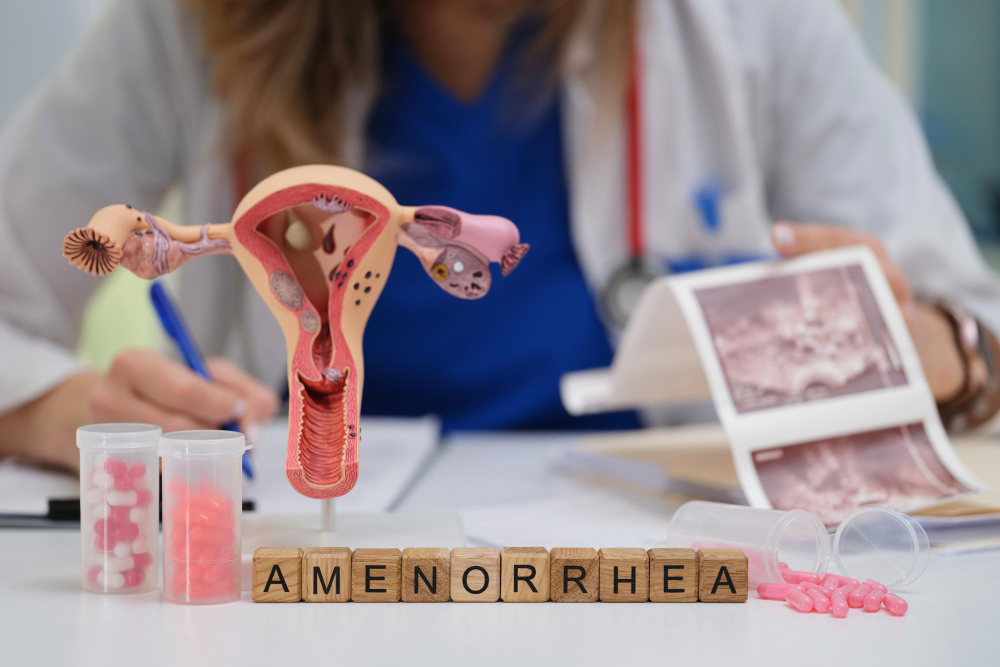
Introduction
Amenorrhea means missing one or more periods. For many women, regular periods are a sign of good health. Preventing amenorrhea is important because it can signal other health problems. If you wonder how to prevent amenorrhea, you are not alone. Many women search for amenorrhea prevention tips for women. In this blog, you will learn about the causes, risk factors, and ways to keep your periods regular.
What is Amenorrhea?
Amenorrhea is when a woman does not have her period for three months or more. Sometimes, it is normal, like during pregnancy or breastfeeding. However, if you are not pregnant or breastfeeding and miss your period, it may be a sign of a health issue. There are two types:
Because periods are part of a healthy cycle, missing them can affect your body in other ways.
Common Causes of Amenorrhea
Many things can cause amenorrhea. Some are simple, while others need medical care. For example, stress or sudden weight loss can stop periods. Other common causes include:
Because these causes vary, it is important to know your body and watch for changes.
Risk Factors for Women
Some women are more likely to develop amenorrhea. For instance, if you have a family history of missed periods, your risk may be higher. Other risk factors include:
Knowing these risks can help you take steps to prevent amenorrhea.
How to Prevent Amenorrhea: Practical Tips
Although not all cases can be prevented, many women can lower their risk. Here are some practical tips:
Because small changes can make a big difference, try to follow these tips daily.
Lifestyle and Dietary Guidance
Healthy habits support regular periods. For example, eating a variety of foods gives your body the nutrients it needs. Here are some lifestyle and dietary tips:
Because your body needs balance, these habits can help prevent amenorrhea and support overall health.
When to Seek Medical Advice
If you miss your period for three months or more, it is time to see a doctor. Also, if you have other symptoms like severe pain, hair loss, or sudden weight changes, seek help. Early care can prevent more serious problems. For teens who have not started their period by age 15, a doctor’s visit is important. Because every woman is different, a healthcare provider can give you the best advice.
For personalized advice on amenorrhea prevention, consult a gynecologist.