Introduction
Menstrual disorders during perimenopause are common and can cause worry. Perimenopause is the time before menopause when hormone levels start to change. During this stage, periods may become irregular or heavier. Understanding these changes is important for menstrual health after 40. Early knowledge helps you manage symptoms and know when to seek help. Many women experience irregular periods in perimenopause, so you are not alone.
What Are Menstrual Disorders?
Menstrual disorders are problems with your monthly period. These can include:
For many women, these issues can affect daily life. However, most menstrual disorders can be managed with the right care.
What Is Perimenopause?
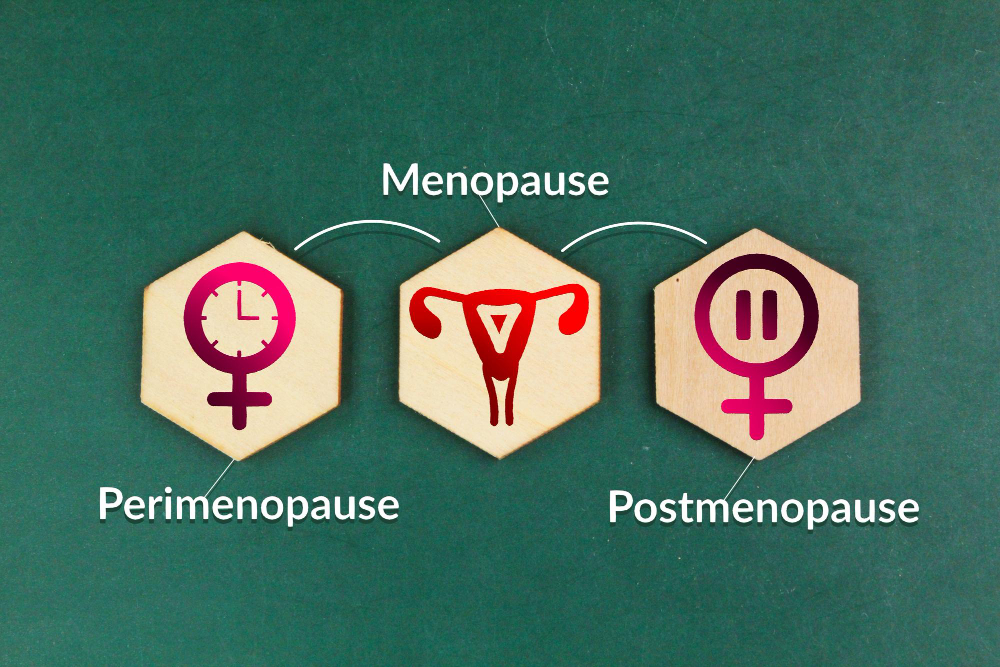
Perimenopause is the time leading up to menopause. Usually, it starts in your 40s, but sometimes earlier. During perimenopause, your ovaries make less estrogen. As a result, your periods may change. This stage can last several years before periods stop completely. Menopause is when you have not had a period for 12 months in a row.
How Perimenopause Affects Menstrual Cycles
During perimenopause, hormone levels rise and fall. Because of this, your periods may become unpredictable. For example, you may have periods closer together or farther apart. Sometimes, bleeding may be lighter or much heavier. These perimenopause period changes are normal, but they can be confusing.
Common Menstrual Disorders During Perimenopause
Many women notice new or worsening menstrual disorders during perimenopause. Some of the most common include:
Although these changes are common, they can still be bothersome. Therefore, it is important to track your symptoms.
Symptoms to Watch For
During perimenopause, you may notice several symptoms along with period changes. For instance, watch for:
If you notice any of these, it is wise to talk to your doctor. Sometimes, these signs can point to other health problems.
Causes and Risk Factors
Hormone changes are the main cause of menstrual disorders during perimenopause. However, other factors can play a role. For example:
Because each woman is different, your risk may vary. But knowing these factors can help you stay aware.
Diagnosis and When to See a Doctor
Doctors diagnose menstrual disorders during perimenopause by asking about your symptoms. They may also do a physical exam or order blood tests. Sometimes, an ultrasound or other tests are needed. If you have very heavy bleeding, severe pain, or bleeding after sex, see your doctor soon. Early diagnosis can help rule out serious problems like fibroids or cancer.
Treatment Options and Lifestyle Tips
Treatment depends on your symptoms and health needs. Some common options include:
In addition, lifestyle changes can help. For example:
With the right care, most women can manage their symptoms well.
Prevention and Self-Care Strategies
While you cannot prevent perimenopause, you can take steps to support your health. For instance:
Because self-care is important, listen to your body and seek help when needed.
Conclusion
Menstrual disorders during perimenopause are common, but help is available. If you notice changes in your periods or have concerns, consult a gynecologist for personalized advice on menstrual disorders during perimenopause.