What is Menopause?
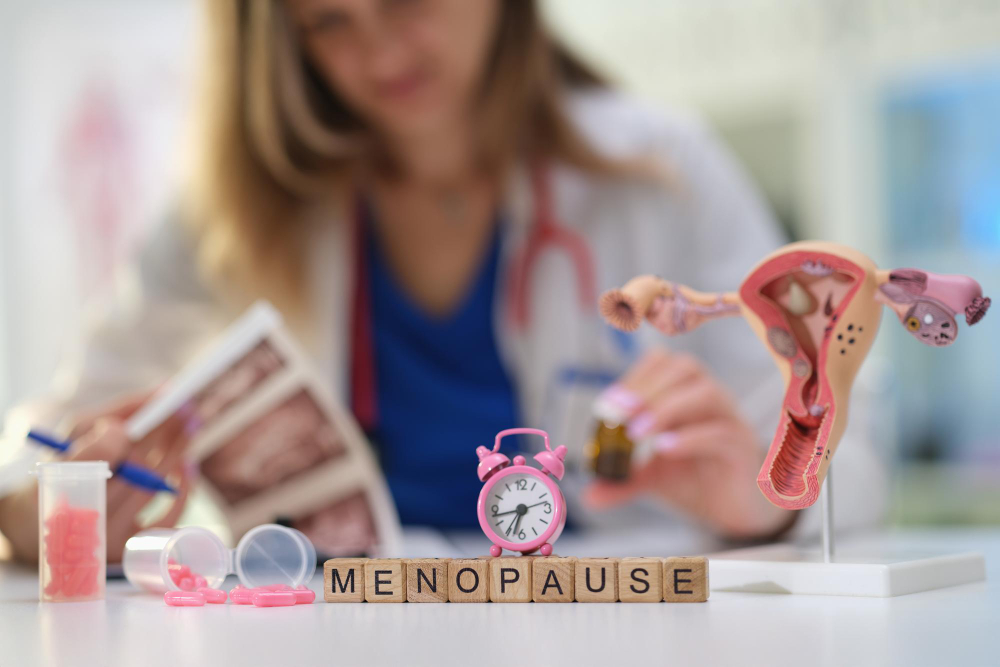
Menopause is a natural stage in a woman’s life. It marks the end of monthly periods. Usually, it happens between ages 45 and 55. During this time, the body makes less estrogen and progesterone. As a result, periods stop. Although menopause is normal, it can bring many changes. For this reason, managing menopause with expert care is important. With the right support, women can feel better and stay healthy. Many women search for menopause management tips and expert menopause care to learn how to manage menopause symptoms.
Common Symptoms of Menopause
Menopause affects every woman differently. However, some symptoms are very common. Knowing these signs can help you seek help early. For example, you may notice changes in your body or mood. Here are some common symptoms:
Sometimes, these symptoms can affect daily life. But with expert care, you can find relief.
Causes and Risk Factors
Menopause happens when the ovaries stop making certain hormones. As a result, periods end. While age is the main cause, other factors can play a role. For instance, some women may reach menopause early due to surgery or medical treatments. Here are some risk factors:
Although you cannot change some risks, healthy habits can help manage symptoms.
Diagnosis and When to Seek Help
Doctors diagnose menopause based on symptoms and age. Sometimes, they may order blood tests to check hormone levels. If you notice changes in your periods or have severe symptoms, it is wise to see a doctor. Early care can prevent problems and improve your quality of life. For example, if you have heavy bleeding, pain, or mood changes, seek expert menopause care. According to the CDC, regular check-ups are key for women’s health during menopause.
Expert Strategies for Managing Menopause
Managing menopause with expert care can make a big difference. Doctors may suggest several options to ease symptoms. For instance, they may recommend:
Each woman is unique. Therefore, treatment should be tailored to your needs. The World Health Organization (WHO) suggests working with a healthcare provider for the best results.
Lifestyle Tips for Menopause Relief
Simple lifestyle changes can help manage menopause symptoms. In fact, many women find relief by making small adjustments. Here are some helpful tips:
With these menopause management tips, you can feel more comfortable each day.
Prevention and Long-Term Health
Although menopause is natural, you can protect your long-term health. For example, regular exercise and a healthy diet support strong bones and a healthy heart. In addition, routine screenings for breast, bone, and heart health are important. The CDC recommends regular mammograms and bone density tests after menopause. Staying connected with your doctor helps catch problems early. With expert care, you can enjoy a healthy life after menopause.
Frequently Asked Questions
For more information, consult a gynecologist or menopause specialist for personalized guidance and support.