Introduction
Mastitis is a painful swelling of the breast tissue, often caused by infection. It mainly affects women who are breastfeeding, but others can get it too. Mastitis can make daily life hard. Early mastitis treatment in women helps prevent problems and speeds up healing. In this guide, you will learn about mastitis symptoms, causes, treatment options, and ways to care for yourself at home.
What is Mastitis?
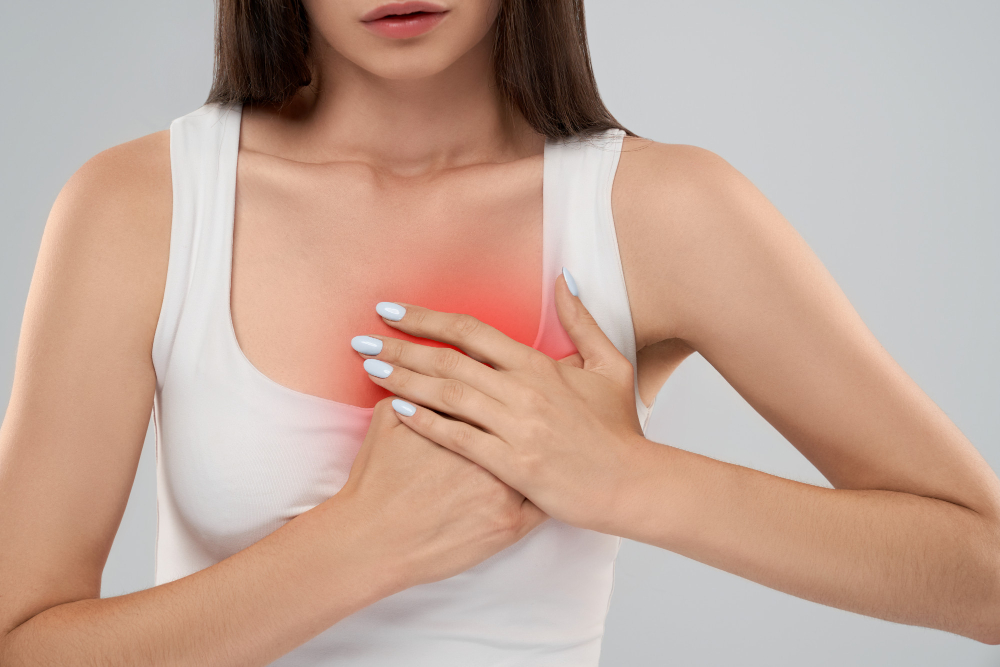
Mastitis is an inflammation of the breast. Usually, it happens when milk ducts get blocked or bacteria enter through a cracked nipple. As a result, the breast becomes red, swollen, and sore. Most cases occur in women who are breastfeeding, but it can also affect women who are not nursing. Quick treatment is important to avoid complications.
Symptoms of Mastitis
Recognizing mastitis symptoms in women is key for early care. Common signs include:
Sometimes, symptoms can appear suddenly. Therefore, it is important to watch for these signs, especially when breastfeeding.
Causes and Risk Factors
Mastitis often starts with a blocked milk duct or bacteria entering the breast. However, several factors can increase your risk:
For breastfeeding women, skipping feeds or sudden changes in feeding patterns can also lead to mastitis.
Diagnosis of Mastitis
Doctors usually diagnose mastitis based on your symptoms and a physical exam. Sometimes, they may ask about your breastfeeding habits. In rare cases, if symptoms do not improve, your doctor may order tests to rule out other problems. These tests can include breast ultrasound or a sample of breast milk. Early diagnosis helps start the right mastitis treatment options quickly.
How is Mastitis Treated in Women?
Treating mastitis early is important for fast relief. Here are the main mastitis treatment options:
Medical Treatments
Home Remedies and Self-Care
Breastfeeding Guidance
If breastfeeding is too painful, try expressing milk by hand or with a pump.
When to Seek Medical Help
According to the CDC and WHO, prompt medical care can prevent serious problems like abscesses.
Prevention Tips
Preventing mastitis is possible with a few simple steps. For example:
These habits lower your risk and help keep your breasts healthy.
Lifestyle and Self-Care Advice
Taking care of yourself is important during mastitis. Therefore, try these tips:
With these steps, you can support your recovery and feel better sooner.
Conclusion
Mastitis can be painful, but early treatment and self-care make a big difference. If you suspect mastitis, consult a healthcare professional for personalized treatment. Quick action helps you recover faster and prevents complications.
Sources: Centers for Disease Control and Prevention (CDC), World Health Organization (WHO)