Introduction
Every mom-to-be wants a healthy pregnancy. With the right pregnancy health tips, you can help your baby grow strong. Early prenatal care, good nutrition, and safe pregnancy advice all play a big role. In this blog, you will find simple steps to support your health and your baby’s well-being. Whether you are a first-time mom or have been pregnant before, these tips can guide you. Let’s explore how you can make your pregnancy journey safer and happier.
Importance of Prenatal Care
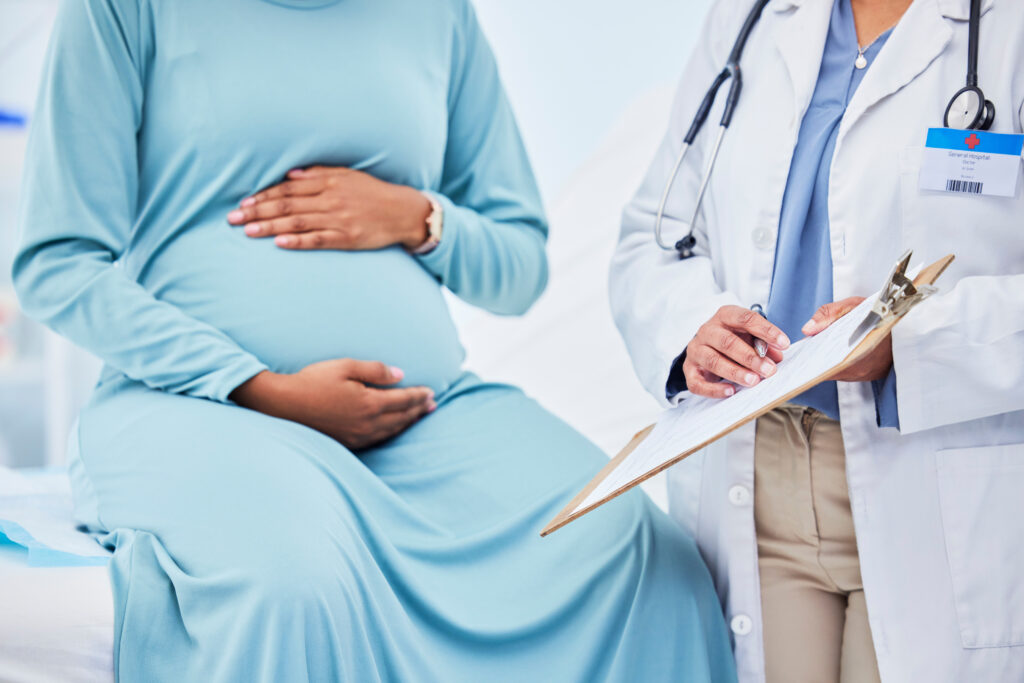
First, prenatal care is key for a healthy pregnancy. Regular visits to your doctor help track your baby’s growth. Also, these visits allow your doctor to spot any problems early. With good prenatal care, you get advice on diet, exercise, and safe medicines. Moreover, your doctor can answer your questions and ease your worries. According to the CDC, early and regular prenatal care lowers the risk of pregnancy problems.
Nutrition and Diet Tips
Eating well is very important during pregnancy. A balanced diet gives your baby the nutrients needed to grow. For example, you should eat more fruits, vegetables, and whole grains. In addition, include lean proteins like chicken, fish, or beans. Do not forget to drink plenty of water every day. The World Health Organization suggests taking prenatal vitamins with folic acid to help prevent birth defects.
Physical Activity and Exercise
Staying active helps you feel better during pregnancy. Gentle exercise can boost your mood and energy. However, always talk to your doctor before starting any new activity. Walking, swimming, and prenatal yoga are safe for most women. Exercise can also help you sleep better and reduce back pain. But, avoid activities with a risk of falling or injury.
Managing Stress and Mental Health
Pregnancy can bring many emotions. Sometimes, you may feel stressed or worried. But, managing stress is important for both you and your baby. Deep breathing, meditation, or talking to a friend can help. If you feel sad or anxious often, let your doctor know. Early support can make a big difference. According to the CDC, good mental health during pregnancy leads to better outcomes for moms and babies.
Avoiding Harmful Substances
Some things can harm your baby during pregnancy. For instance, avoid smoking, alcohol, and illegal drugs. These can cause birth defects or other problems. Also, limit caffeine and avoid certain medicines unless your doctor says they are safe. Always check with your doctor before taking any new medicine or supplement.
Regular Medical Checkups
Regular checkups help keep you and your baby healthy. At each visit, your doctor will check your weight, blood pressure, and baby’s heartbeat. Sometimes, you may need blood tests or ultrasounds. These tests help spot any issues early. If you have any concerns, share them with your doctor right away. Early action can prevent bigger problems later.
Warning Signs to Watch For
Some symptoms need quick medical attention. If you notice any of these, call your doctor right away. Quick action can protect you and your baby.
Lifestyle Adjustments for a Healthy Pregnancy
Small changes can make a big difference. For example, get enough sleep each night. Also, avoid standing for long periods. Wear comfortable shoes and clothes. In addition, use a seatbelt every time you ride in a car. These steps help keep you safe and comfortable throughout your pregnancy.
Conclusion and Call-to-Action
In summary, a healthy pregnancy starts with good habits and regular care. By following these tips, you can support your own health and your baby’s growth. Remember, every pregnancy is unique. For the best results, consult your healthcare provider for personalized pregnancy advice.