
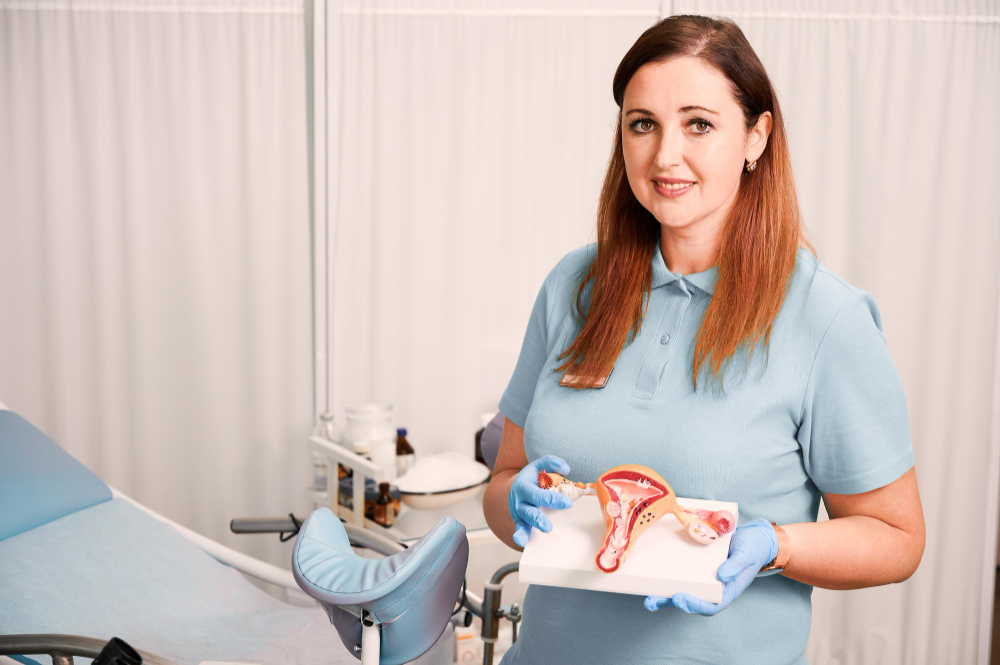
Cervical ectopy (erosion) is a common condition in women. It often causes concern, but it is usually harmless. In this blog, we will explain what cervical ectopy is, its symptoms, causes, diagnosis, and treatment options. We will also discuss when to see a doctor and how to care for your health. Understanding cervical ectopy (erosion) can help you make informed choices about your well-being.
What is Cervical Ectopy (Erosion)?
Cervical ectopy, also called cervical erosion, happens when the cells from inside the cervical canal spread to the outer surface of the cervix. Normally, the cervix has two types of cells. The inside has soft, red cells called glandular cells. The outside has tough, pale cells called squamous cells. In cervical ectopy, the glandular cells move to the outside. As a result, the cervix may look red and inflamed during a pelvic exam. However, this condition is not cancer and does not increase cancer risk. It is common in young women, pregnant women, and those taking birth control pills.
Common Symptoms
Many women with cervical ectopy have no symptoms. However, some may notice changes. For example, you might experience:
Sometimes, these symptoms can be mistaken for other problems. Therefore, it is important to talk to your doctor if you notice any unusual changes.
Causes and Risk Factors
Cervical ectopy can happen for several reasons. Most often, it is linked to changes in hormones. For instance, the following factors may increase your risk:
In addition, some women are simply born with this condition. It is not caused by infection or poor hygiene. Although it is common worldwide, it may be seen more often in areas with higher use of hormonal birth control.
How Cervical Ectopy is Diagnosed
Doctors usually find cervical ectopy during a routine pelvic exam. The cervix may look red or inflamed. To confirm the diagnosis, your doctor may:
Sometimes, your doctor may take a small sample (biopsy) to rule out other problems. However, most cases do not need extra tests.
Treatment Options
Often, cervical ectopy does not need treatment. If you have no symptoms, your doctor may simply monitor you. However, if you have bothersome symptoms, treatment options include:
Most treatments are quick and safe. After treatment, symptoms usually improve. Still, cervical ectopy can come back, especially if hormone levels change again.
Prevention and Lifestyle Tips
While you cannot always prevent cervical ectopy, you can take steps to care for your cervix. For example:
Moreover, staying informed about your health helps you notice changes early.
When to See a Doctor
Although cervical ectopy is usually harmless, you should see a doctor if you notice:
Early evaluation can rule out other causes, such as infections or more serious conditions. Therefore, do not ignore symptoms that worry you.
Call-to-Action: If you have symptoms or concerns about cervical ectopy (erosion), consult your healthcare provider. They can offer advice and recommend the best care for your needs.
Sources: World Health Organization (WHO), Centers for Disease Control and Prevention (CDC), peer-reviewed medical journals.