
Introduction
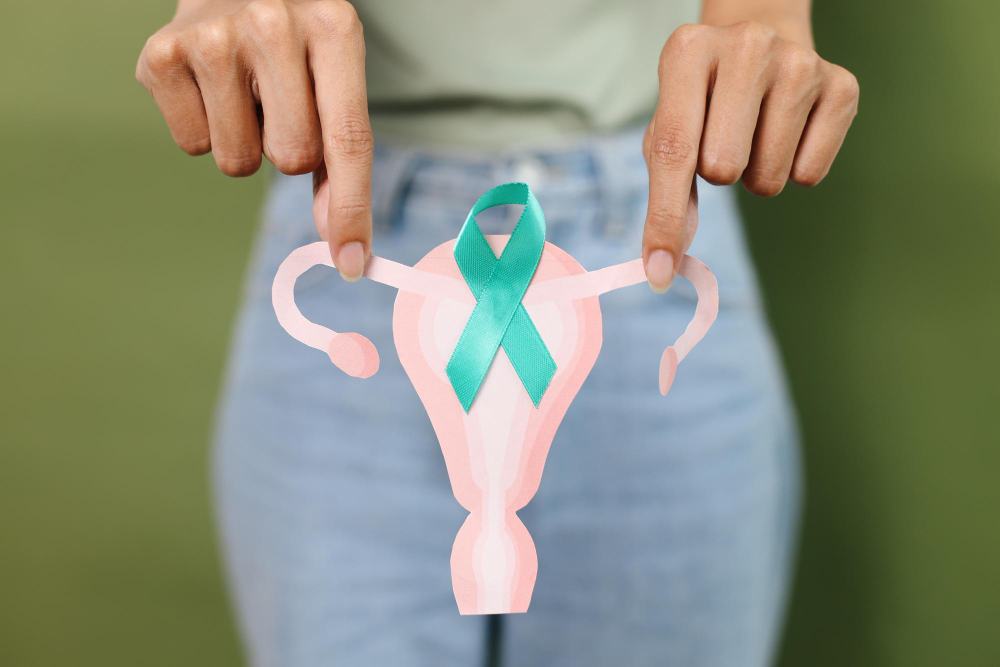
Cervical cancer is a serious disease that affects many women worldwide. It starts in the cervix, which is the lower part of the uterus. Early steps to prevent cervical cancer can save lives. Because cervical cancer prevention is possible, it is important to know how to reduce the risk of cervical cancer. With regular screenings, healthy habits, and the HPV vaccine, women can protect themselves. In this blog, you will learn about the causes, symptoms, and ways to prevent cervical cancer. These steps are simple but very effective.
What is Cervical Cancer?
Cervical cancer happens when cells in the cervix grow abnormally. Over time, these cells can form a tumor. If not treated, it may spread to other parts of the body. This cancer is most often caused by certain types of human papillomavirus (HPV). According to the World Health Organization, cervical cancer is one of the most common cancers in women. However, it is also one of the most preventable types. Early action can make a big difference.
Major Risk Factors
Some factors can increase your risk of developing cervical cancer. Knowing these can help you take steps to protect yourself. For example, some risks can be changed, while others cannot.
Although some risks cannot be changed, many can be managed with healthy choices.
Symptoms to Watch For
Often, cervical cancer does not cause symptoms in the early stages. However, as it grows, some warning signs may appear. It is important to watch for these symptoms and seek medical help if you notice them.
Because these symptoms can be caused by other conditions, it is best to talk to a doctor if you notice any of them.
Effective Prevention Strategies
Thankfully, there are many ways to prevent cervical cancer. Taking these steps can greatly lower your risk. For instance, regular check-ups and healthy habits are key.
In many places, such as the United States and India, free or low-cost screening programs are available. Check with your local health center for options.
Healthy Lifestyle Tips
Living a healthy lifestyle can help prevent cervical cancer. Even small changes can make a big difference. For example, eating well and staying active support your immune system.
Additionally, regular health check-ups help catch problems early. These habits support your overall well-being.
Importance of Early Detection
Early detection of cervical cancer saves lives. When found early, treatment is more likely to work. Regular Pap smears and HPV tests can find changes before cancer develops. Because early-stage cervical cancer often has no symptoms, screening is very important. According to the CDC, women who get regular screenings have a much lower risk of dying from cervical cancer. Do not wait for symptoms. Instead, follow your doctor’s advice on when to get tested.
Frequently Asked Questions
Consult a healthcare provider for personalized advice on cervical cancer prevention.
Sources: Centers for Disease Control and Prevention (CDC), World Health Organization (WHO),