
Introduction
When starting IVF, you may hear about two main embryo transfer options: blastocyst transfer and day 3 transfer. Both methods aim to help you achieve pregnancy. However, many couples wonder which gives better IVF outcomes. In this blog, we compare Blastocyst Transfer vs Day 3 Transfer. We will explain each method, review research on success rates, and help you choose the best IVF transfer method for your needs.
What is Day 3 Embryo Transfer?
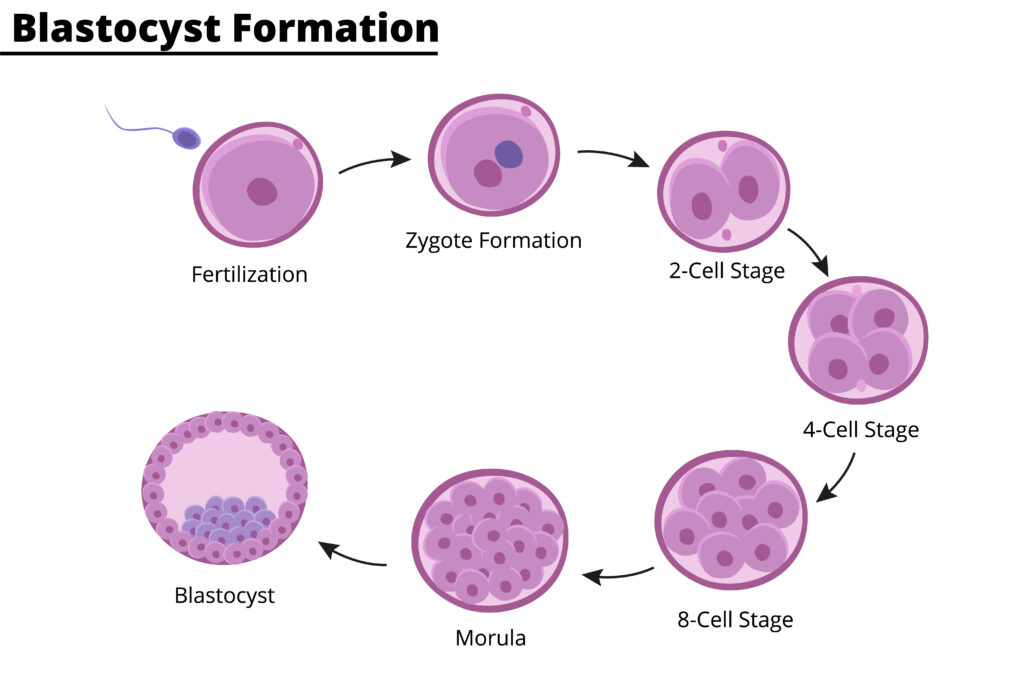
Day 3 embryo transfer means moving embryos into the uterus three days after egg retrieval. At this stage, embryos usually have about 6–8 cells. The process involves:
There are some pros to this method. For example, it can be helpful if there are fewer embryos. Also, it may be better for women with low egg numbers. But, there are cons. Not all embryos will keep growing after day 3. So, some may not lead to pregnancy.
What is Blastocyst Transfer?
Blastocyst transfer happens on day 5 or 6 after egg retrieval. By this time, embryos have divided many times and formed a blastocyst. This stage has more cells and a fluid-filled cavity. The process includes:
There are clear benefits to this method. For instance, it allows doctors to pick embryos that have grown well. This may increase the chance of pregnancy. However, not all embryos reach the blastocyst stage. As a result, some couples may have no embryos to transfer.
Key Differences Between Day 3 and Blastocyst Transfer
Both methods aim to help you get pregnant. Yet, there are important differences:
Because of these differences, your doctor may suggest one method over the other.
IVF Success Rates: What Does the Research Say?
Many studies have looked at the success rates of blastocyst vs day 3 transfer. According to the CDC and peer-reviewed journals, blastocyst transfer often leads to higher pregnancy rates per transfer. For example, one study found that live birth rates were higher with blastocyst transfer. However, this is not true for everyone. Some women, especially those with fewer embryos, may do just as well with day 3 transfer. It is important to remember that success rates can vary by clinic and patient.
Factors Influencing IVF Outcomes
Several things can affect your IVF results, no matter which transfer method you choose. These include:
Because each person is different, your doctor will look at all these factors before making a plan.
Which Transfer Is Right for You?
Choosing the best IVF transfer method depends on your unique situation. For example, if you have many good embryos, blastocyst transfer may be better. It allows for better selection and may reduce the risk of twins or triplets. On the other hand, if you have fewer embryos, a day 3 transfer may give you a higher chance of having something to transfer. Always talk to your fertility specialist about your options. They can help you decide what is best for you.
Frequently Asked Questions
Conclusion and Takeaway
In summary, both blastocyst transfer and day 3 transfer are proven IVF embryo transfer options. Research shows that blastocyst transfer may offer higher success rates for some patients. However, day 3 transfer can be a good choice for others, especially if there are fewer embryos. Every patient is unique. Therefore, consult a fertility specialist to discuss the best IVF transfer option for your needs.