
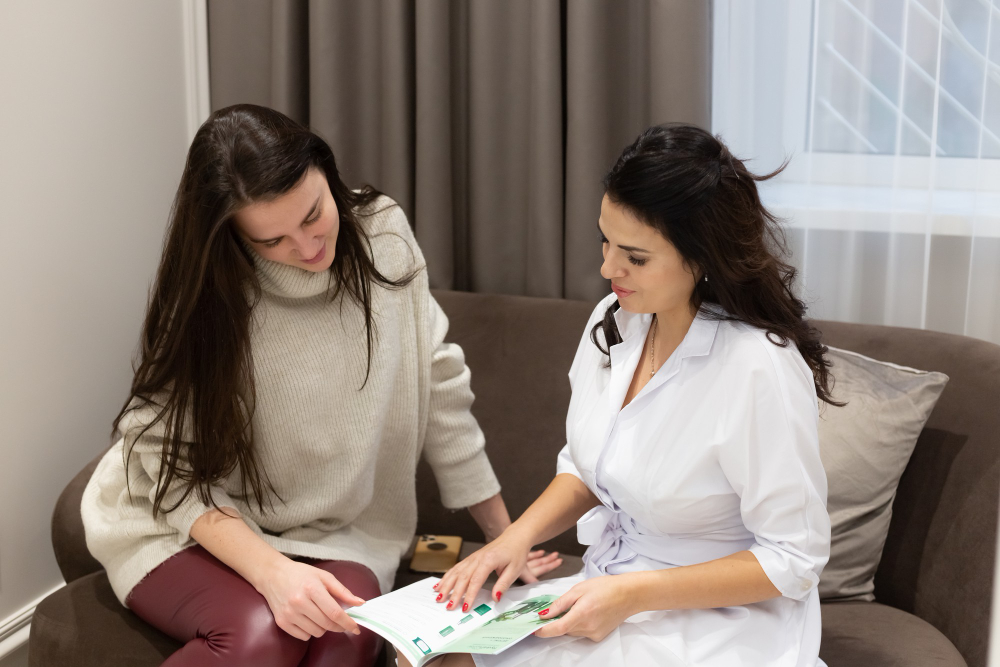
Intimate wellness after pregnancy means caring for your body and mind in the months following childbirth. For many new mothers, this time brings big changes. Because of this, intimate wellness after pregnancy is important for both physical comfort and emotional health. When women understand their bodies, they can feel more confident and supported during postpartum recovery.
Common Changes in Intimate Wellness After Pregnancy
After giving birth, women may notice several changes in their intimate health. These changes can be physical or emotional. While every woman is different, some experiences are common. For example, many women notice their bodies feel different. Others may feel worried or unsure about these changes.
Causes of Intimate Wellness Issues Postpartum
Several factors can affect intimate wellness after pregnancy. First, physical changes from childbirth can impact the body. For instance, the pelvic floor muscles may stretch or weaken. Additionally, hormonal changes play a big role. After delivery, levels of estrogen and other hormones drop. This can cause dryness or lower interest in sex. Emotional health is also important. Because postpartum recovery can be stressful, some women feel anxious or sad. Support from loved ones and healthcare providers can help.
Diagnosis and When to Seek Help
Healthcare providers can help assess intimate wellness concerns. Usually, they start by asking about symptoms and feelings. Sometimes, a gentle physical exam is needed. If you notice certain signs, it is important to seek medical advice. Early support can make a big difference.
Available Treatments for Intimate Wellness After Pregnancy
There are many treatment options for postpartum intimate wellness. Some women benefit from medical treatments. For example, a doctor may suggest creams for dryness or pain. Non-invasive therapies, like pelvic floor physical therapy, can help strengthen muscles. Counseling or support groups may ease emotional worries. In addition, lifestyle changes play a role. Simple steps, such as gentle exercise and open communication with a partner, can improve post-pregnancy vaginal health.
Prevention and Self-Care Tips
Taking care of yourself every day can support intimate wellness. Even small changes can help. Because self-care is important, try to make it a regular part of your routine.
Reliable Resources and Further Reading
For more information, you can visit trusted sources. These organizations offer helpful guides and research on postpartum recovery and intimate wellness.