
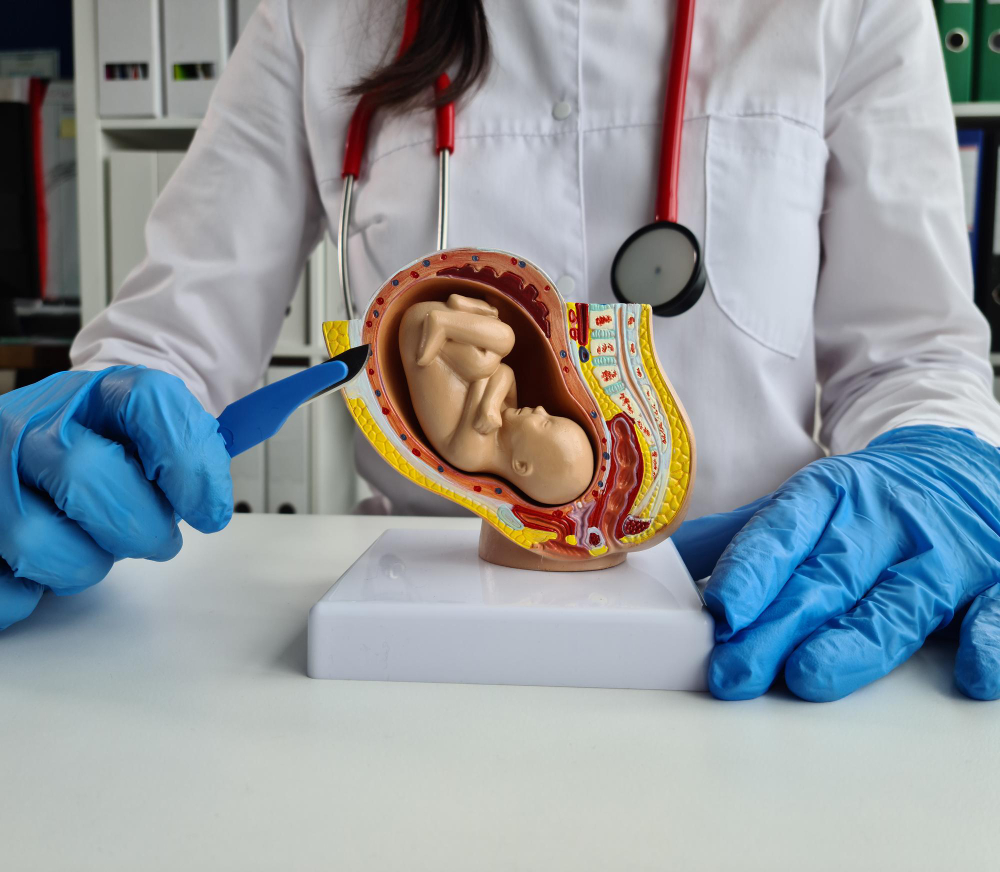
When planning for childbirth, many parents wonder about normal delivery vs C-section. It is important to understand both birth options before making a choice. Each method has its own process, risks, and benefits. Knowing the differences can help you feel more prepared and confident. In this blog, we explain vaginal birth vs cesarean section, common reasons for each, and what to expect during recovery. We also discuss how to choose the safest childbirth method for you and your baby.
What is Normal Delivery?
Normal delivery, also called vaginal birth, is when a baby is born through the birth canal. During labor, the uterus contracts to help move the baby down. Most women can have a normal delivery if there are no major health concerns. According to the World Health Organization (WHO), vaginal birth is the most common way to give birth worldwide. For many, normal delivery is safe and allows for a quicker recovery. However, every birth is unique, and some may need extra care.
What is a C-Section?
A C-section, or cesarean section, is a surgical procedure to deliver a baby. In this method, doctors make a cut in the mother’s belly and uterus. Sometimes, a C-section is planned ahead of time. Other times, it is done in an emergency if problems arise during labor. The Centers for Disease Control and Prevention (CDC) notes that C-sections are common, especially if there are risks to the mother or baby. While C-sections are generally safe, they do involve surgery and a longer recovery.
Key Differences Between Normal Delivery and C-Section
Understanding the main differences between vaginal birth vs cesarean section can help you make an informed choice. Here are some key points:
Indications for Each Birth Method
Sometimes, your doctor may suggest one birth option over the other. Here are common reasons for each:
In some locations, hospital guidelines may affect which birth options are available. Always discuss your choices with your healthcare team.
Risks and Benefits of Normal Delivery
Normal delivery offers several benefits, but it also carries some risks. For example, many women prefer this method because:
However, normal delivery can also have risks, such as:
According to WHO, most women recover well after normal delivery, but each case is different.
Risks and Benefits of C-Section
C-sections can be life-saving in some cases. They are often chosen when normal delivery is not safe. Here are some benefits:
Yet, C-sections also come with risks:
The CDC and medical journals agree that C-sections should be done only when needed for safety.
Recovery After Normal Delivery vs C-Section
Recovery time is an important part of choosing between normal delivery and C-section. After normal delivery, most women can move around within hours. They often go home within one or two days. Pain is usually mild and managed with simple medicine. In contrast, after a C-section, mothers may need to stay in the hospital for several days. They may feel more pain and need extra help moving around. Healing from surgery can take several weeks. It is important to follow your doctor’s advice for a safe recovery, no matter which method you choose.
Factors to Consider When Choosing Your Birth Option
Choosing between normal delivery and C-section is a personal decision. However, several factors can help guide your choice:
For safe childbirth methods, always talk with your healthcare provider. They can explain your birth options and help you make the best choice for you and your baby.