
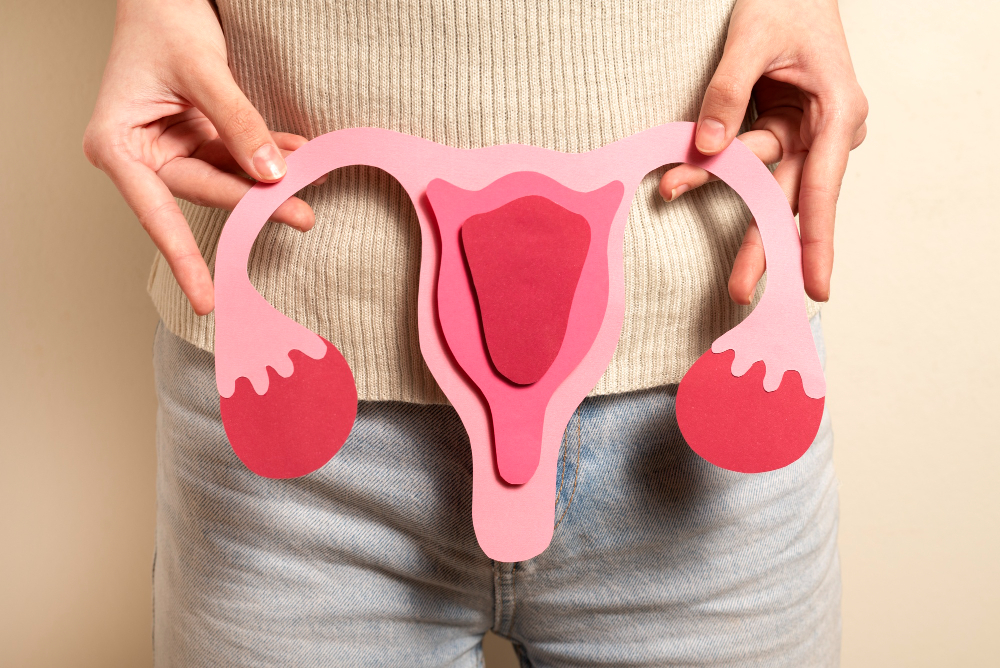
What is Pelvic Organ Prolapse?
Pelvic organ prolapse happens when the muscles and tissues that support the pelvic organs become weak. As a result, organs like the bladder, uterus, or rectum may drop or press into the vagina. This condition affects many women, especially as they age. Because pelvic organ prolapse can impact daily life, understanding it is important for feminine pelvic health and women’s wellness.
Common Symptoms
Many women notice changes in their bodies when pelvic organ prolapse occurs. However, symptoms can vary. Some women may not feel any discomfort at first. Others may notice:
Sometimes, symptoms get worse when standing or lifting heavy objects. But resting may help ease them.
Causes and Risk Factors
Pelvic organ prolapse can happen for several reasons. Most often, it is due to weakened pelvic floor support. Common causes and risk factors include:
Additionally, some women may have weaker connective tissues by nature. This can make them more likely to develop prolapse symptoms.
Diagnosis Methods
Doctors use several ways to diagnose pelvic organ prolapse. First, they ask about symptoms and medical history. Next, a gentle pelvic exam helps check for bulges or changes. Sometimes, doctors use special tests or imaging, like ultrasound, to see the organs more clearly. In some cases, they may ask you to stand or bear down during the exam. This helps them see how much the organs have moved.
Treatment Options
Treatment for pelvic organ prolapse depends on how severe the symptoms are. Some women need only simple care, while others may need more help. Common treatment options include:
Often, doctors suggest starting with the least invasive option. But if symptoms are severe, surgery may be needed.
Lifestyle Tips for Wellness
There are many ways to support feminine pelvic health every day. For example, you can:
Because small changes can make a big difference, try to include these habits in your daily routine.
Prevention Strategies
Although not all cases can be prevented, some steps may lower your risk of pelvic organ prolapse. For instance, you can:
Because early action can help, talk to your doctor if you have concerns about women’s wellness or pelvic floor support.
When to See a Doctor
If you notice a bulge, pressure, or changes in urination or bowel habits, it is important to seek medical advice. Also, if symptoms affect your daily life or cause pain, do not wait. Early diagnosis can lead to better outcomes. Even if symptoms are mild, a women’s health specialist can help you find the best care plan.
For personalized advice on pelvic organ prolapse, consult a women’s health specialist. Early support can make a big difference in your wellness journey.