
Introduction
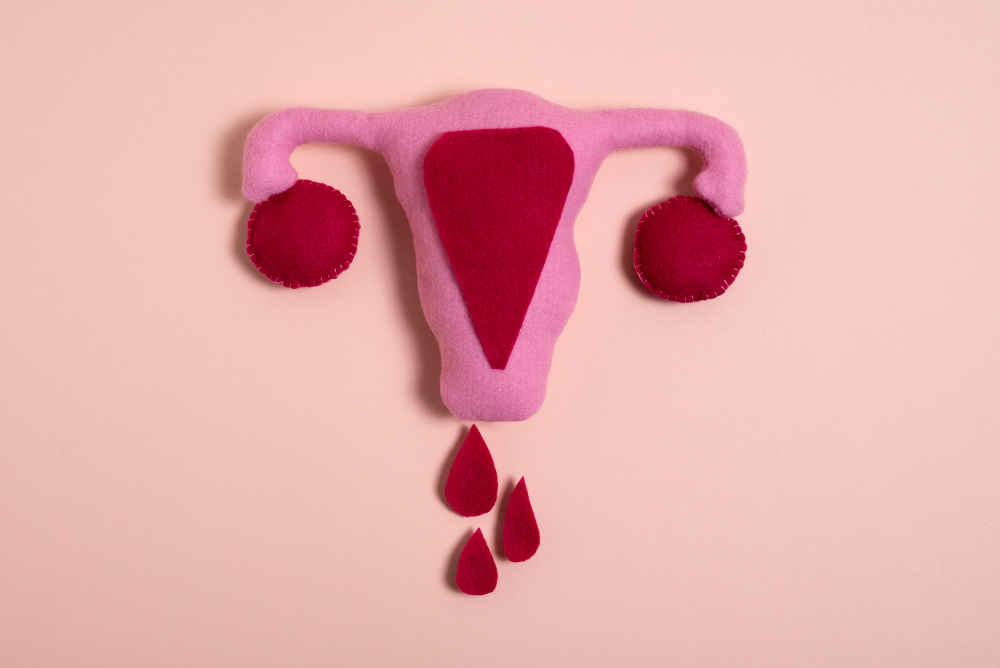
Abnormal uterine bleeding means bleeding from the uterus that is not normal. Usually, periods follow a regular pattern. However, sometimes bleeding can be heavier, lighter, or come at odd times. This is called abnormal uterine bleeding. It can affect women of any age. Because it may signal health problems, it is important to understand its causes and treatments. According to the CDC, many women experience this at some point in their lives.
Common Symptoms
Abnormal uterine bleeding can show up in different ways. For example, you may notice:
Sometimes, you may also feel tired or weak. This can happen if you lose too much blood.
Major Causes
There are many causes of abnormal uterine bleeding. Some are common, while others are rare. For instance, heavy menstrual bleeding causes can include:
Because causes can vary, it is important to get the right diagnosis.
Diagnostic Methods
Doctors use several methods to find the cause of abnormal uterine bleeding. First, they will ask about your medical history and symptoms. Then, they may do a physical exam. Next, they might suggest tests such as:
Sometimes, more tests are needed. For example, a hysteroscopy lets the doctor look inside the uterus with a small camera.
Treatment Options
Treatment for abnormal uterine bleeding depends on the cause. Often, doctors start with simple options. These may include:
Sometimes, procedures are needed. For example, a doctor may remove polyps or fibroids. In rare cases, surgery like endometrial ablation or hysterectomy may be suggested. Always, your doctor will explain the best treatment for you.
Lifestyle and Self-Care Tips
While medical care is important, self-care can also help. For instance, you can:
Additionally, avoid skipping doctor visits. This helps catch problems early.
Prevention Strategies
Not all cases of abnormal uterine bleeding can be prevented. However, some steps may lower your risk. For example:
Early care can help prevent complications from heavy or irregular periods.
When to See a Doctor
It is important to know when to seek help. You should see a doctor if you:
Remember, early diagnosis and treatment can prevent serious problems.
For personalized advice on abnormal uterine bleeding, consult a gynecologist. Your doctor can help you find the best treatment for your needs.