What Is Cervical Incompetence?
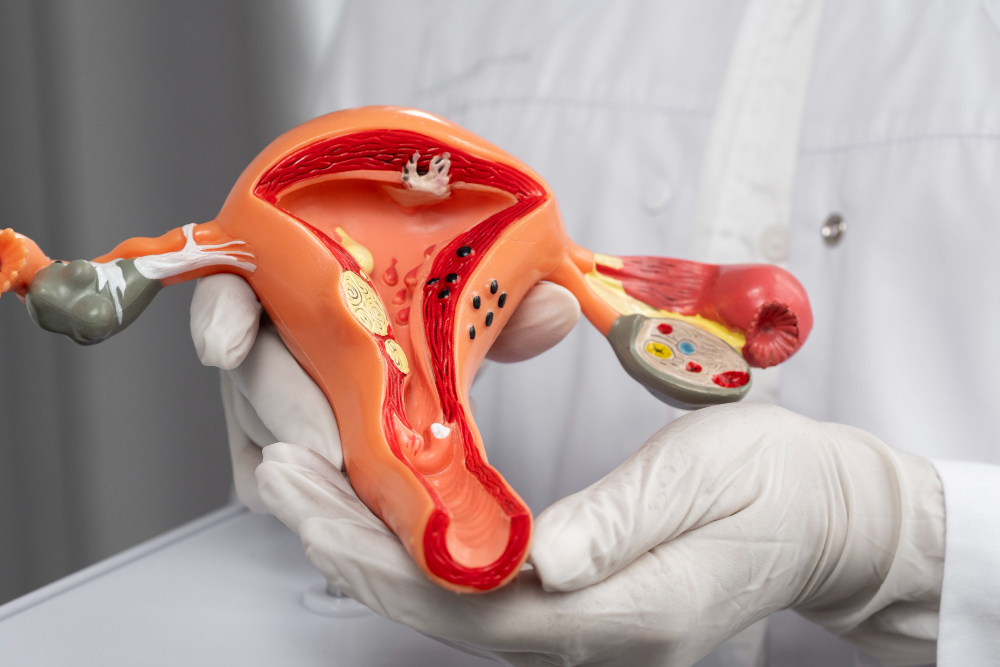
Cervical incompetence is a condition where the cervix opens too early during pregnancy. Because of this, it can lead to pregnancy complications or even miscarriage. The cervix is the lower part of the uterus. Normally, it stays closed until labor. However, in some women, it becomes weak and opens too soon. This can happen without pain or contractions. As a result, it may cause early loss of pregnancy or preterm birth.
Symptoms and Risk Factors
Often, cervical incompetence has no clear symptoms. Still, some women may notice signs. For example, you might feel pelvic pressure or notice vaginal discharge. Sometimes, mild back pain or light bleeding can occur. However, these signs are not always present.
Because risk factors can vary, it is important to share your medical history with your doctor.
How Is Cervical Incompetence Diagnosed?
Doctors use several methods to diagnose cervical incompetence. First, they review your medical history. Next, they may perform a pelvic exam. However, the most common tool is an ultrasound scan. This test measures the length of your cervix. If it is shorter than normal, you may be at risk. Sometimes, doctors use a special ultrasound called transvaginal ultrasound. This gives a clearer view of the cervix. Early diagnosis helps prevent pregnancy complications.
What Is a Cervical Stitch (Cerclage)?
A cervical stitch, also called cerclage, is a simple procedure. During this, a doctor places a strong stitch around the cervix. This helps keep it closed during pregnancy. Usually, the stitch is placed between weeks 12 and 24 of pregnancy. There are different types of cerclage, but all aim to support the cervix. The stitch is removed before labor begins, often around week 37.
How a Cervical Stitch Can Help Save Your Pregnancy
For women with cervical incompetence, a cervical stitch can be life-changing. Because it keeps the cervix closed, it lowers the risk of miscarriage and preterm birth. Studies show that cerclage can help women carry their babies longer. In many cases, this means a healthier baby and fewer complications. However, not every woman needs this procedure. Your doctor will decide if it is right for you based on your history and test results.
Recovery and Aftercare
After a cervical stitch, most women go home the same day. However, you may need to rest for a short time. Your doctor will give you instructions. For example, you may need to avoid heavy lifting or sex for a while. Regular check-ups are important. These visits help your doctor watch for signs of infection or early labor. If you notice pain, bleeding, or fluid leaking, call your doctor right away.
Prevention and Lifestyle Tips
While you cannot always prevent cervical incompetence, some steps may help. For instance, early prenatal care is key. Share your full medical history with your doctor. If you have risk factors, ask about regular cervical length checks. In addition, healthy habits can support your pregnancy. Try to:
Because every pregnancy is unique, always talk to your doctor about your care plan.
When to Consult Your Doctor
It is important to contact your doctor if you notice any warning signs. For example, sudden pelvic pressure, vaginal bleeding, or fluid leakage should not be ignored. Even if you feel unsure, it is better to ask. Early action can help prevent serious problems. If you have a history of pregnancy loss or cervical surgery, discuss this with your doctor as soon as possible.
In summary, cervical incompetence can be managed with the right care. A cervical stitch may help save your pregnancy and give your baby a better chance. Consult a specialist for personalized guidance on cervical incompetence and pregnancy care.