What Are Menstrual Disorders?
Menstrual disorders are problems related to a woman’s monthly period. These issues can include pain, heavy bleeding, or irregular cycles. Many women experience some form of menstrual disorder during their lives. Two common problems are uterine fibroids and heavy periods. Understanding the causes of heavy periods and uterine fibroids symptoms can help you seek the right treatment for menstrual disorders. Early care often leads to better outcomes.
Uterine Fibroids: Causes, Symptoms, and Diagnosis
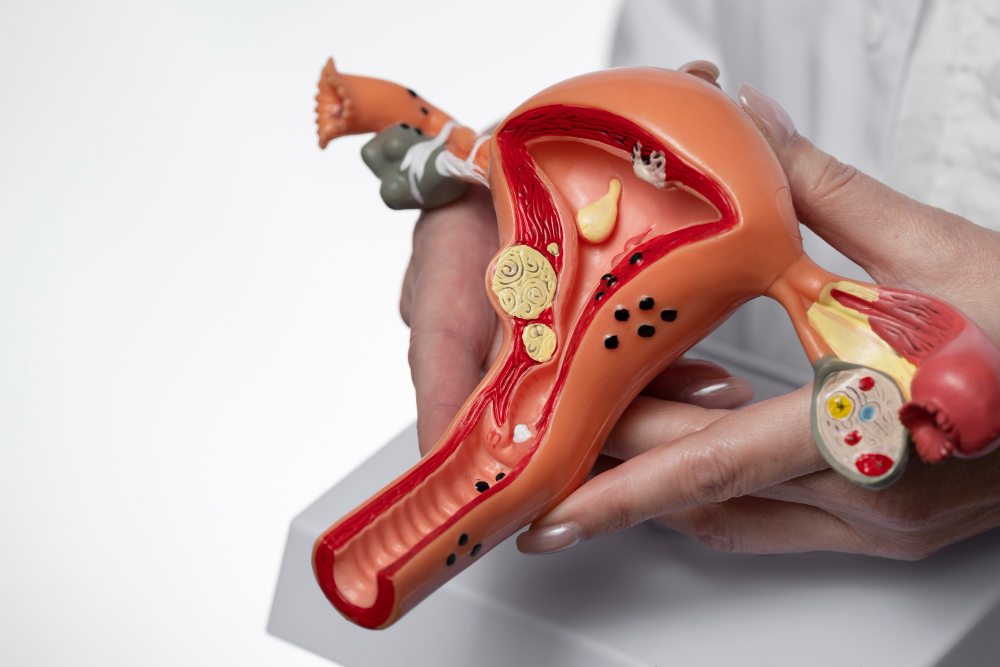
Uterine fibroids are non-cancerous growths in the uterus. They are common in women of childbearing age. Although many women have fibroids, not all have symptoms. However, some women may notice changes in their periods or feel discomfort.
According to the CDC, up to 80% of women may develop fibroids by age 50. But not all will need treatment.
Heavy Periods: Causes, Symptoms, and Diagnosis
Heavy periods, also called menorrhagia, mean losing more blood than normal during your period. For some women, this can affect daily life. There are many causes of heavy periods, and it is important to find the reason.
The World Health Organization notes that heavy periods can lead to anemia. This means your body does not have enough healthy red blood cells.
Treatment Options for Uterine Fibroids and Heavy Periods
Treatment for menstrual disorders depends on the cause and your health needs. Sometimes, no treatment is needed if symptoms are mild. However, if symptoms affect your life, several options are available.
Doctors will help you choose the best treatment based on your age, symptoms, and plans for pregnancy.
Lifestyle Tips and Prevention
While not all menstrual disorders can be prevented, healthy habits may help. For example, eating a balanced diet and staying active can support your overall health. Here are some tips:
In some regions, access to care may differ. If you live in a rural area, try to visit a health center for regular check-ups.
When to See a Doctor
It is important to talk to a doctor if you notice changes in your period. You should seek help if:
Early care can help prevent complications and improve your quality of life.
Conclusion
Menstrual disorders like uterine fibroids and heavy periods are common but treatable. If you experience heavy periods or symptoms of uterine fibroids, consult a specialist for personalized guidance.