
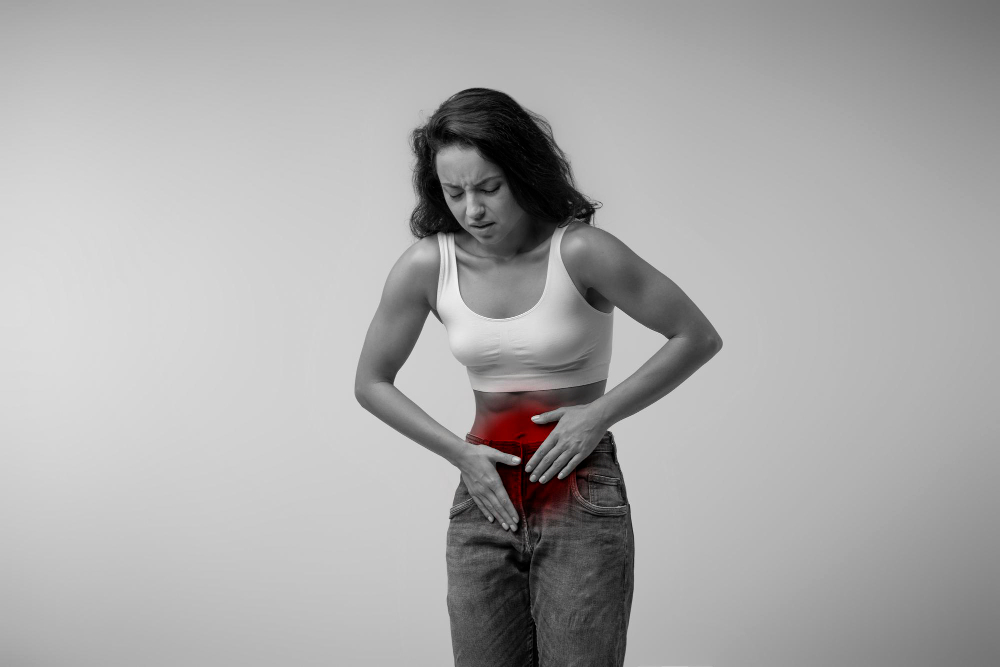
What is Pelvic Inflammatory Disease (PID)?
Pelvic Inflammatory Disease (PID) is an infection of a woman’s reproductive organs. It often affects the uterus, fallopian tubes, and ovaries. Usually, bacteria from sexually transmitted infections (STIs) like chlamydia or gonorrhea cause PID. However, other bacteria can also lead to this condition. Early treatment is important because PID can cause serious health problems if left untreated.
How Does PID Develop?
Often, PID starts when bacteria enter the vagina and move up into the reproductive organs. For example, having unprotected sex or multiple partners increases the risk. Sometimes, procedures like childbirth, abortion, or inserting an intrauterine device (IUD) can also allow bacteria to enter. Because symptoms can be mild or absent, many women may not realize they have PID until complications appear.
Common Complications of PID
Unfortunately, Pelvic Inflammatory Disease complications can be serious. Even with mild symptoms, long-term effects may develop. Below are some common complications:
Because these complications can affect daily life, early detection and treatment are key.
Long-Term Health Risks
Over time, PID health risks can become more severe. For instance, women with a history of PID have a higher chance of future infections. Also, repeated infections increase the risk of infertility and chronic pain. In rare cases, untreated PID can spread to other parts of the body, causing serious illness. According to the Centers for Disease Control and Prevention (CDC), about 1 in 8 women with a history of PID may have trouble getting pregnant. Therefore, knowing the risks helps you take action early.
Prevention and Early Detection
Thankfully, you can lower your risk of PID complications by following some simple steps. Here are tips for preventing PID complications:
Because early detection is important, see your doctor if you notice unusual pain, discharge, or fever. In the US, many clinics offer confidential testing and treatment for PID and related infections.
When to See a Doctor
If you have symptoms like lower belly pain, unusual vaginal discharge, fever, or pain during sex, seek medical help right away. Even if symptoms are mild, it is better to be safe. Early treatment can prevent Pelvic Inflammatory Disease complications and protect your health. Remember, regular check-ups help catch problems early.
In summary, Pelvic Inflammatory Disease complications can be serious but are often preventable. Consult a healthcare professional if you have symptoms or concerns about PID.