
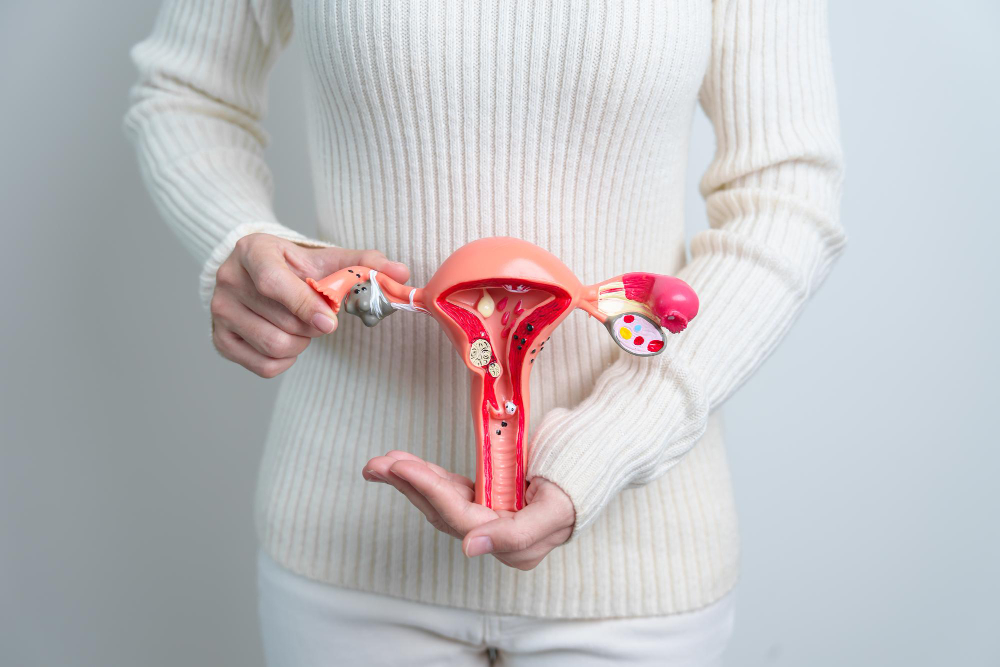
What Are Uterine Fibroids?
Uterine fibroids are non-cancerous growths that form in or on the uterus. Many women develop these growths during their reproductive years. Although fibroids are common, not everyone has symptoms. Uterine fibroids prevention is a topic many women want to know about. Understanding what fibroids are can help you make informed choices about your health.
Common Symptoms
Some women with fibroids do not notice any symptoms. However, others may experience signs that affect daily life. For example, you might notice:
Because these symptoms can be caused by other conditions, it is important to talk to a doctor if you notice changes.
Causes and Risk Factors
Doctors do not know the exact cause of uterine fibroids. However, several risk factors for uterine fibroids have been identified. These include:
Although these factors increase risk, having one or more does not mean you will develop fibroids. Still, knowing your risk can help you make healthy choices.
Can Uterine Fibroids Be Prevented?
Currently, there is no sure way to prevent uterine fibroids. However, research suggests that certain lifestyle changes for fibroid prevention may help lower your risk. While you cannot change your age or family history, you can focus on healthy habits. According to the Centers for Disease Control and Prevention (CDC), maintaining a healthy weight and balanced diet can support overall reproductive health. Therefore, making small changes may help reduce your risk over time.
Evidence-Based Prevention Tips
Although uterine fibroids prevention is not guaranteed, you can take steps to lower your chances. Here are some tips based on current research:
Because every woman is different, these tips may not work for everyone. Even so, they support overall health and may help with how to prevent uterine fibroids.
When to See a Doctor
If you notice symptoms like heavy periods, pain, or pressure in your lower belly, it is important to seek medical advice. Early diagnosis can help manage symptoms and prevent complications. In addition, if you have risk factors for uterine fibroids, regular check-ups with a gynecologist can help monitor your health. Remember, only a doctor can provide a proper diagnosis and treatment plan.
In summary, while you cannot always prevent uterine fibroids, healthy lifestyle changes may lower your risk. Consult a gynecologist for personalized advice on uterine fibroid prevention.