What is Oligomenorrhea?
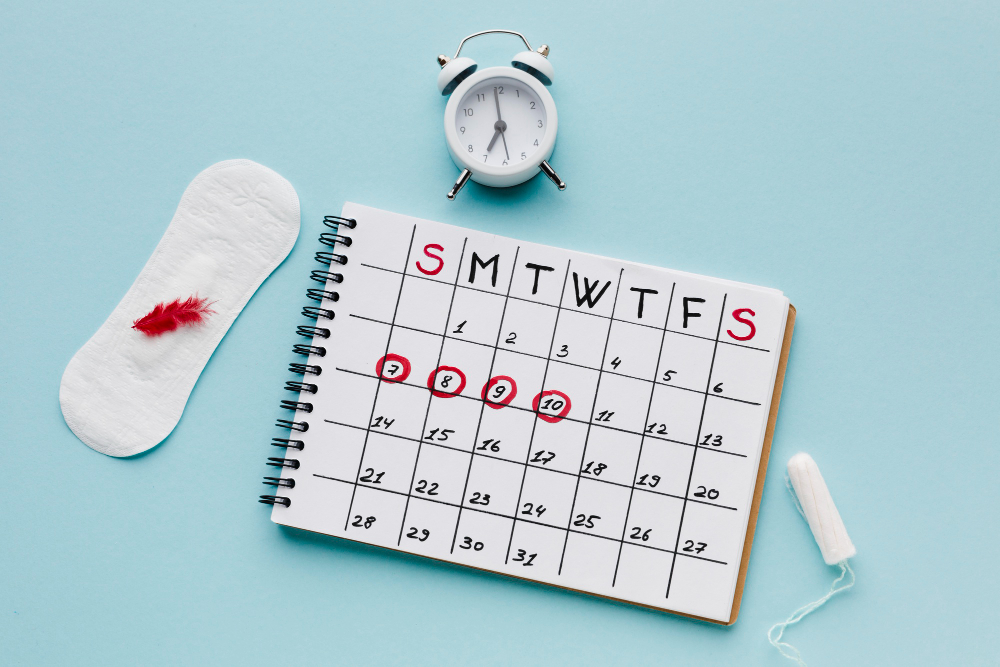
Oligomenorrhea means having infrequent periods. It is a type of menstrual disorder. Usually, a normal menstrual cycle happens every 21 to 35 days. However, with oligomenorrhea, periods come less often than every 35 days. This can make cycles unpredictable. For many women, this leads to worry and confusion. Infrequent periods can affect daily life and health. According to the World Health Organization (WHO), menstrual disorders like oligomenorrhea are common and should not be ignored.
Common Symptoms of Oligomenorrhea
Oligomenorrhea often shows up as changes in your period pattern. For example, you may notice:
Sometimes, other symptoms may appear. These can include acne, extra hair growth, or weight changes. If you notice these signs, it is important to pay attention. Early action can help prevent further problems.
Causes of Infrequent Periods
Many things can cause oligomenorrhea. Some common causes include:
Because there are many possible causes, it is important to find out what is affecting you. Sometimes, a simple lifestyle change can help. Other times, medical treatment is needed.
How Oligomenorrhea is Diagnosed
Doctors use several steps to diagnose oligomenorrhea. First, they ask about your period history. They may also ask about your lifestyle and any symptoms. Next, a physical exam is done. Often, blood tests check hormone levels. In some cases, an ultrasound may be used to look at the ovaries and uterus. This helps rule out other problems. Early diagnosis can make treatment easier. If you have infrequent periods, talking to a doctor is a good first step.
Treatment Options for Oligomenorrhea
Treatment for oligomenorrhea depends on the cause. For example, if stress is the reason, stress management can help. If PCOS is found, doctors may suggest medicine to balance hormones. Sometimes, birth control pills are used to regulate cycles. For thyroid problems, treating the thyroid can restore normal periods. In addition, healthy eating and regular exercise can support better cycles. It is important to follow your doctor’s advice for the best results.
Lifestyle Tips and Prevention
Simple lifestyle changes can help manage or prevent infrequent periods. Consider these tips:
By making these changes, you may see improvements in your menstrual cycle. However, if symptoms continue, seek medical advice.
When to See a Doctor
It is important to know when to get help. See a doctor if:
Early medical care can prevent complications. In addition, it can help you find the right treatment for your needs.
Conclusion
Oligomenorrhea is a common menstrual disorder that causes infrequent periods. While it can be worrying, many causes are treatable. If you notice changes in your cycle, do not ignore them. Instead, consult your doctor for personalized advice and care. Early action can help you maintain good health and peace of mind.