What is Gestational Diabetes?
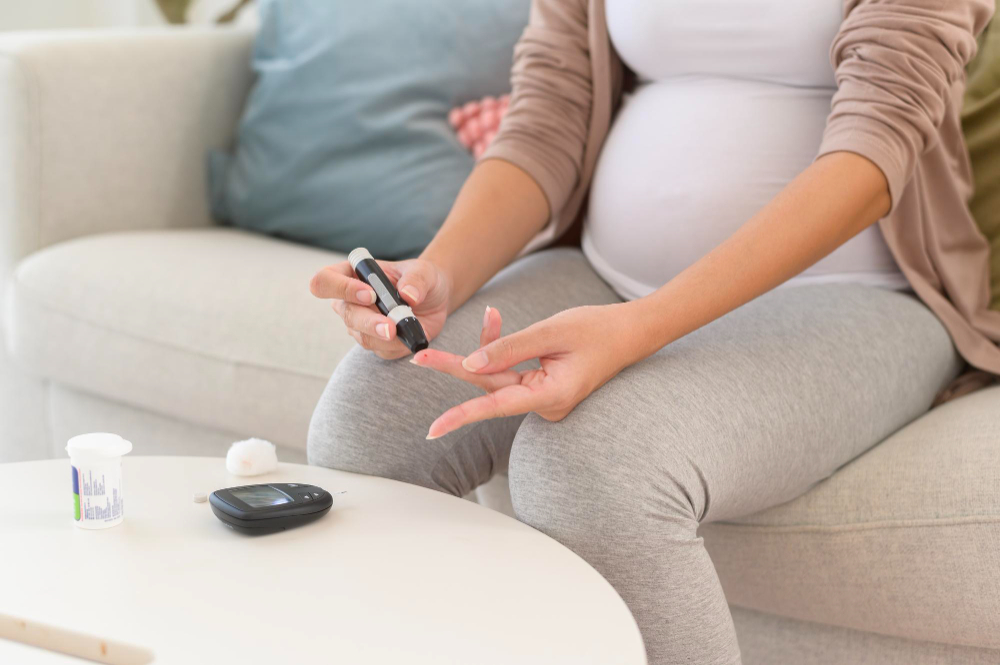
Gestational diabetes is a type of diabetes that develops during pregnancy. It affects how your body uses sugar. Because your body changes during pregnancy, your blood sugar can rise. This condition is called pregnancy diabetes. Although it usually goes away after birth, it needs careful management. Early care helps keep you and your baby healthy. According to the CDC, about 2% to 10% of pregnancies in the United States are affected by gestational diabetes.
Symptoms and Risk Factors
Often, gestational diabetes does not cause clear symptoms. However, some women may notice signs. For example, you might feel more thirsty or need to urinate more often. Still, many women do not notice any changes. Because of this, regular check-ups are important.
There are also risk factors that can increase your chances. For instance, you may be at higher risk if you:
How is Gestational Diabetes Diagnosed?
Doctors usually test for gestational diabetes between 24 and 28 weeks of pregnancy. Sometimes, testing happens earlier if you have risk factors. The most common test is the glucose challenge test. First, you drink a sweet liquid. Then, your blood sugar is checked after one hour. If your sugar is high, you may need a second test called the glucose tolerance test. This test checks how your body handles sugar over several hours. Early diagnosis helps you start treatment quickly.
Treatment and Management
Managing gestational diabetes is important for a healthy pregnancy. Your doctor will guide you on the best steps. Most women can control their blood sugar with healthy eating and exercise. However, some may need medicine or insulin. Regular check-ups help track your progress. Your care team will help you keep your pregnancy blood sugar in a safe range.
Tips for a Healthy Pregnancy with Gestational Diabetes
With the right care, you can have a healthy pregnancy. Here are some helpful tips for managing gestational diabetes:
Prevention and Lifestyle Guidance
While not all cases can be prevented, some steps may lower your risk. For example, staying at a healthy weight before pregnancy helps. Also, eating a balanced diet and staying active are important. If you had gestational diabetes before, these steps are even more important. After pregnancy, healthy habits can lower your risk of type 2 diabetes.
When to Consult Your Doctor
It is important to talk to your doctor if you have any concerns. For instance, if you notice symptoms like extreme thirst or frequent urination, let your doctor know. Also, if you have a family history of diabetes or had gestational diabetes before, mention this early in your pregnancy. Your doctor can help you with testing, treatment, and advice for a healthy pregnancy.
In summary, early care and regular check-ups are key. Managing gestational diabetes helps protect both you and your baby.
Consult a healthcare specialist for personalized advice on gestational diabetes and pregnancy care.